Written and edited by Trailstead Stays · Last reviewed 2026-10-27
Glacier National Park weather at a glance
The National Park Service describes Glacier's weather as highly variable and sometimes extreme. Mountain weather changes quickly, and a warm morning can turn cold, wet or windy by afternoon.
The park straddles the Continental Divide, so the west and east sides can have very different weather on the same day. Per the NPS weather page, higher elevations such as Logan Pass are generally 10 to 15 °F cooler than West Glacier (around 3,200 feet), overnight lows can drop to freezing, and snow can occur at any time of year.
Going-to-the-Sun Road and park facilities open, close and change with snow and conditions. Check the NPS road status and current conditions pages before each day out.
Weather in Glacier National Park by month
December, January and February: winter. Most of the park is under deep snow, with many cloudy, snowy days. Expect cold and limited access to high-country areas.
March, April and May: spring arrives slowly. Snow lingers at elevation while valleys turn to rain and mud; cool, changeable days are common.
June: the NPS notes that rainy days and cooler temperatures are common even through June. Snow can remain in the high country.
July and August: the warmest months. The NPS describes hot days and cool nights as normal, and west-side valleys can top 90 °F, while passes stay cooler and storms can build quickly.
September: cooling days and crisp nights. The NPS notes snow may occur even at lower elevations as early as mid-September.
October and November: late fall turns toward winter, with shorter days, colder nights and more frequent snow.
Summer weather in Glacier (June to August)
Expect a wide daily range: warm afternoons, cool mornings and evenings, and the chance of rain or thunderstorms. The east side is often windier.
Pack: layers, a rain jacket, a warm layer for higher elevations, sun protection, sturdy footwear and plenty of water for hikes.
Fall weather in Glacier (September to November)
Days cool off and early snow is possible, especially at elevation. Weather can swing from sunny to stormy in a single day.
Pack: insulated layers, a hat and gloves, waterproof outerwear and footwear with good grip.
Winter weather in Glacier (December to February)
Deep snow covers most of the park, and many roads and facilities are closed for the season. Winter visits focus on lower-elevation areas when conditions allow.
Pack: full winter clothing, waterproof boots, traction or snowshoes where appropriate, and check NPS conditions before heading out.
Spring weather in Glacier (March to May)
Spring is a slow thaw. Valleys can be wet and cool while the high country stays snowbound, and access opens gradually as crews clear snow.
Pack: waterproof layers, warm mid-layers and footwear that handles mud and snow.
Planning around the weather
Build flexible days into the trip so a stormy afternoon or closed road doesn't sink the plan. Check location-specific forecasts and NPS conditions the night before and the morning of each outing.
Stay in the Flathead Valley
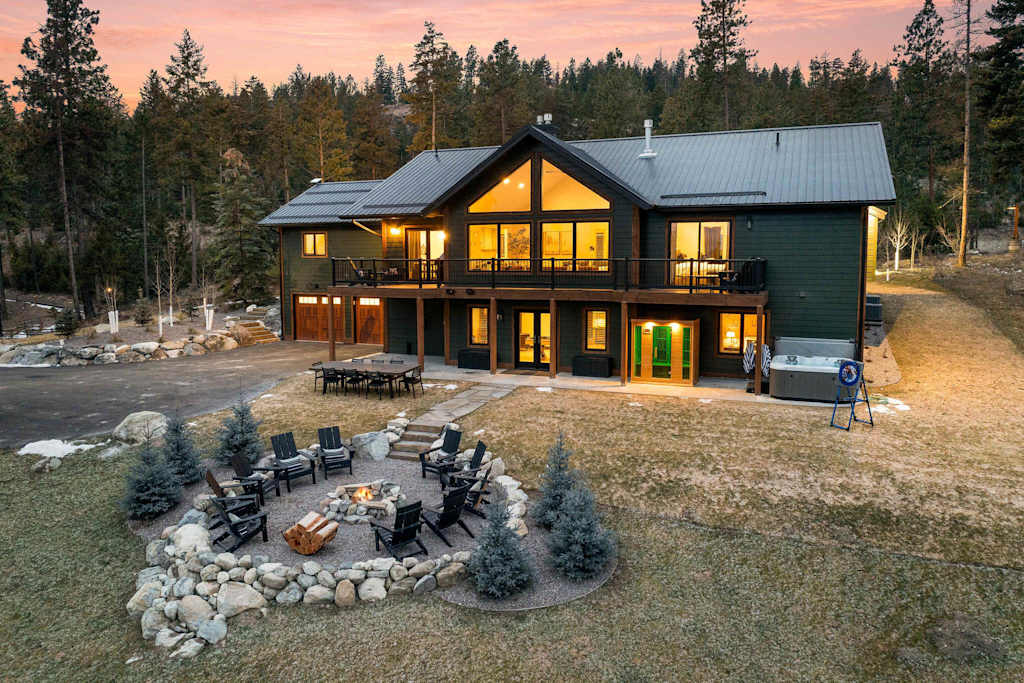
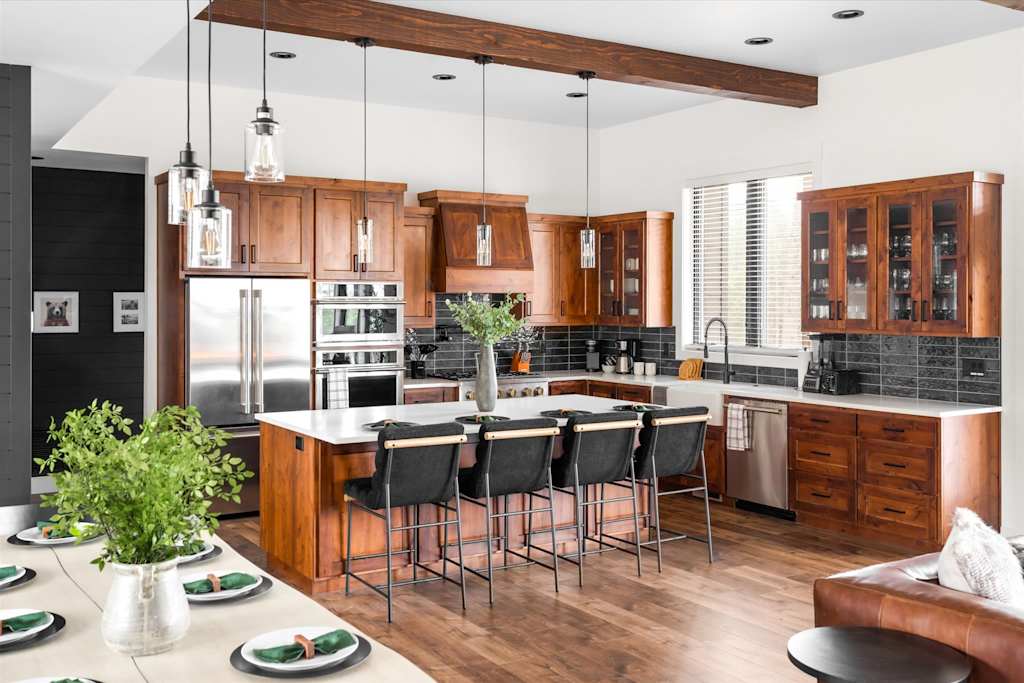
The Tamarack in Lakeside sleeps up to 10 and The Evergreen in Somers sleeps up to 10. Both are 6-bedroom homes near Flathead Lake, outside the park, with hot tubs and saunas for warming up after a cold day.